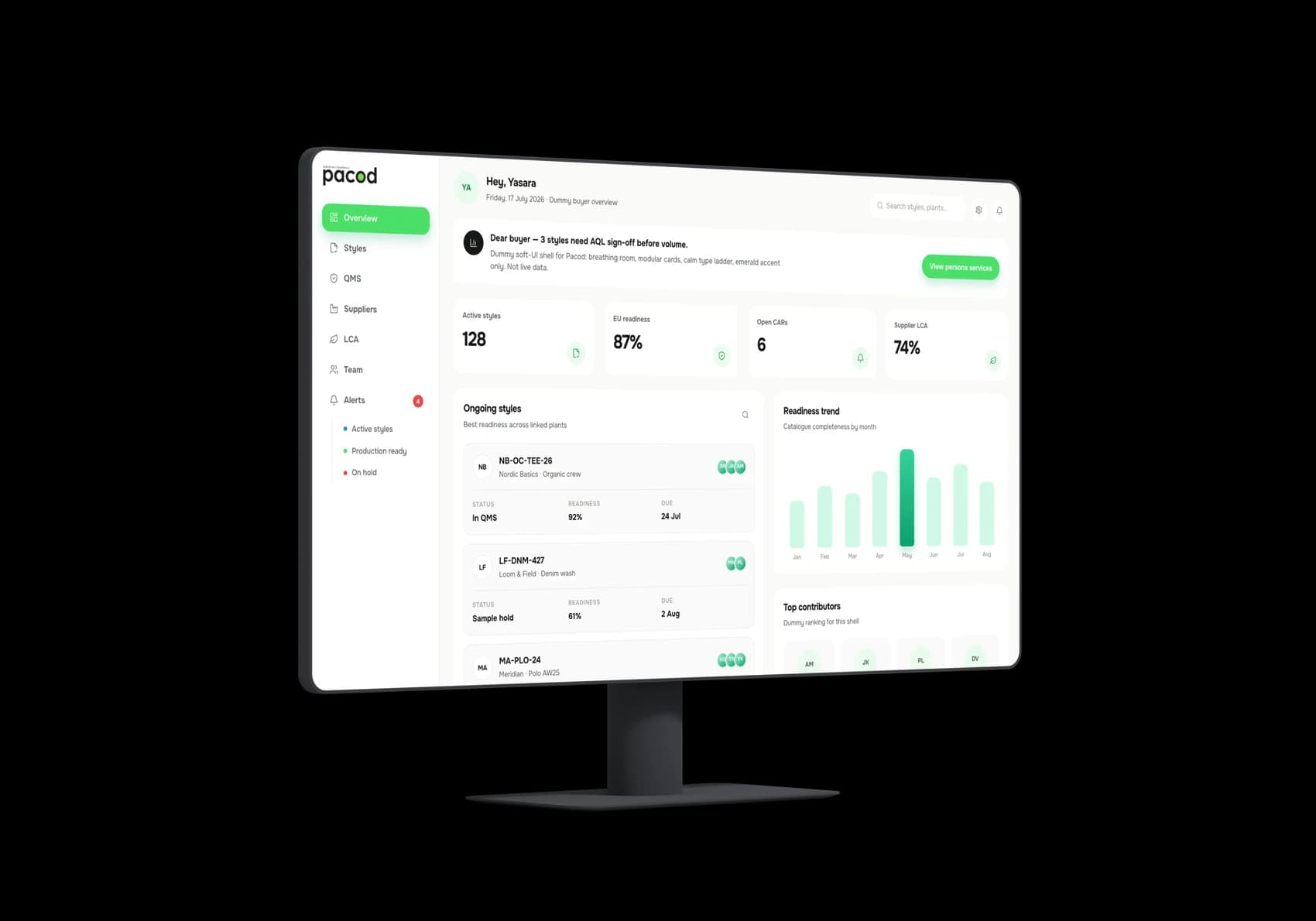
Factory Workflow is included free with every Buyer QMS — which is why factories actually use it

One record per garment style.Three people work on it. Nobody retypes anything.

// 01BUYER
AQL · DEFECT CLASSES · POINTS
Build the protocol
// 02BUYER
INLINE / FINAL / PRE-SHIP
Schedule and assign a certified inspector
// 03INSPECTOR
OFFLINE CAPABLE
Run the guided check — photos, defects, live AQL
// 04INSPECTOR
QUEUED · UPLOADS ON SIGNAL
Submit
// 05SYSTEM
CLOCK STARTS
Corrective actions raised on failure
// 06BUYER
ACCEPT OR REJECT
Decide
// 07RECORD
ONE STYLE ID
Shipment cleared or held

Buyer QMS, end to end.Protocol to verdict.
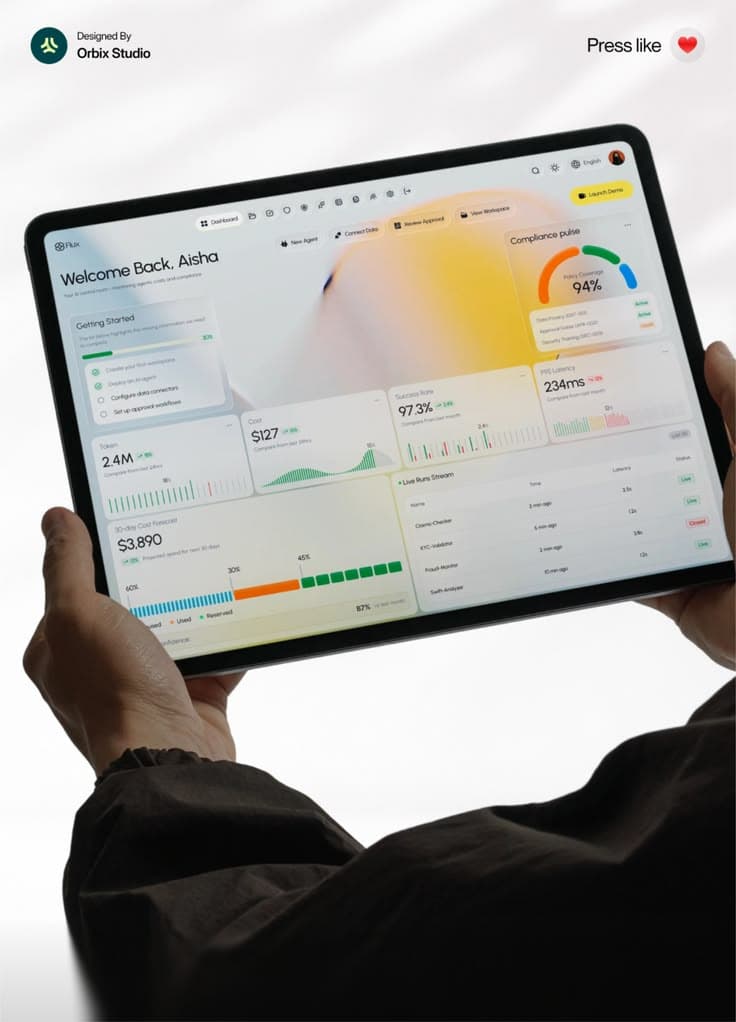
Quality dashboard on a tablet

Build the protocol once

AQL preferences, defect classes and measurement points are defined per style, then reused every season. The protocol is the contract — every check anyone runs on that style is measured against it.
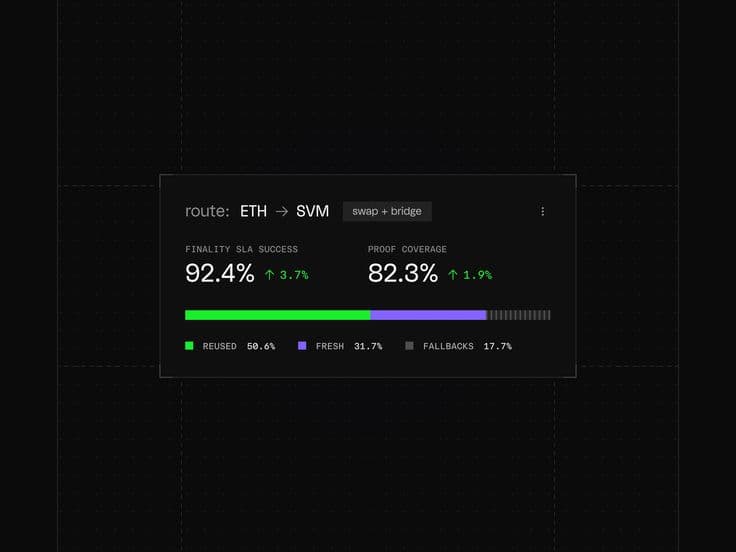
Inspection metrics panel

Certify and assign inspectors

Certification is recorded against a person, not a spreadsheet. Assign a certified inspector to a booking and the record shows who was qualified to be there.
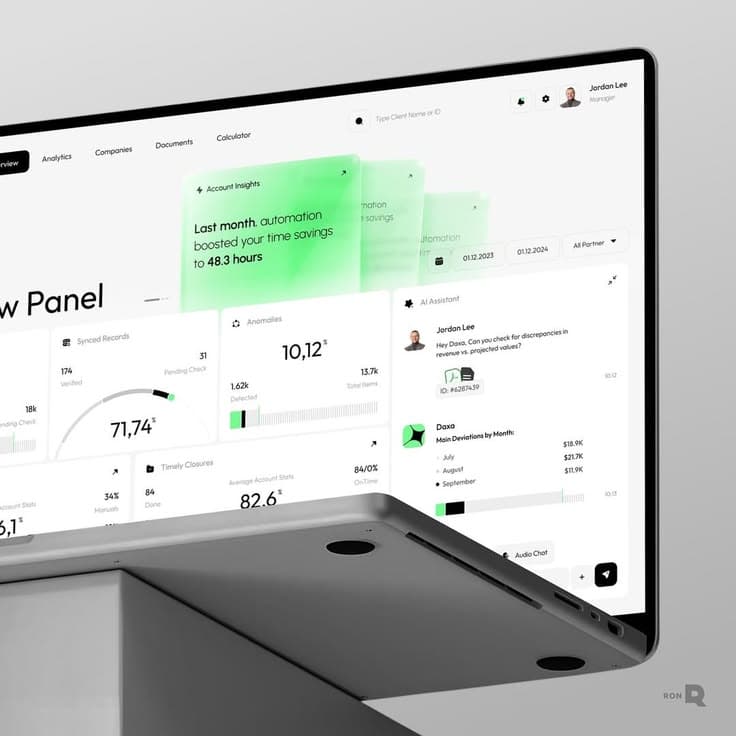
Automation insights dashboard

AQL computed live, on ISO 2859-1

Sample size and the accept and reject numbers appear before the first unit is checked, and the verdict updates with every defect logged. No lookup tables, no arithmetic at the end of a shift.
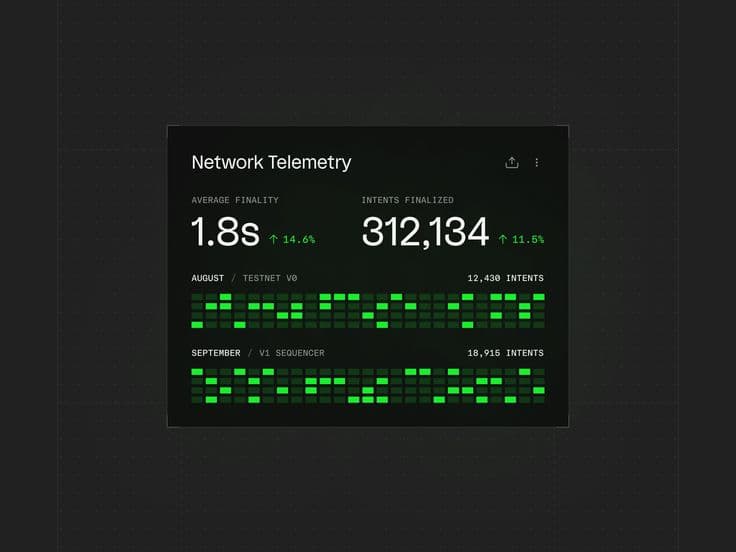
Telemetry panel

Guided checks that assume no signal

The inspector works step by step on a phone, fully offline. Inspections queue and upload when signal returns, so a weak connection on the floor never costs a check.
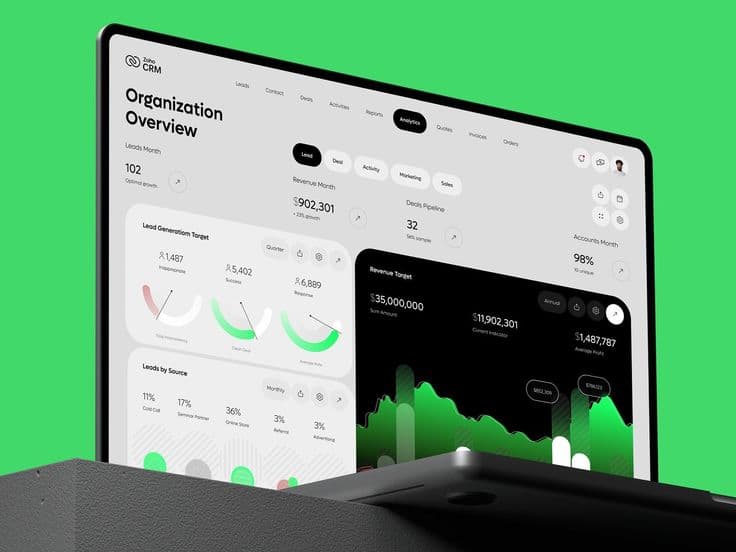
Organisation overview dashboard

Every defect arrives with its evidence

Photo and video attach to each defect automatically, and defect photographs are classified consistently — so two inspectors describing one broken stitch produce one description.
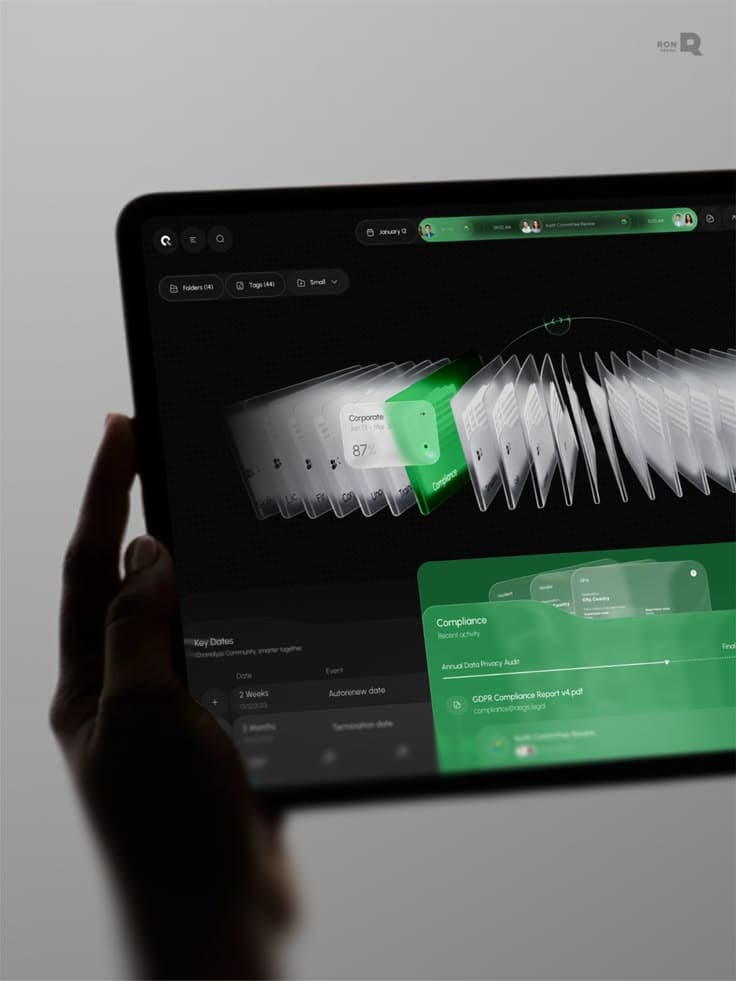
Compliance documents on a tablet

A failed check starts a clock, not a thread

Corrective actions are raised automatically with a visible deadline — 24 hours inline, 72 at final, 96 pre-shipment — and rectification is verified against the original defect photograph, then the shipment is accepted or rejected on the record.

What the system does better.

One record per style, not one file per person
Buyer, inspector and plant write into the same record. Nothing is retyped and nothing is emailed, so the audit trail is a by-product of the work rather than a separate exercise at the end of it.
AQL is computed live, not reconstructed afterwards
Sample size and the accept and reject numbers appear before the first unit is checked, on ISO 2859-1, General Level II. The verdict updates with every defect logged — no lookup tables, no arithmetic at the end of a shift.
The field app assumes there is no signal
Guided checks run fully offline on a phone. Inspections queue and upload when signal returns, and photo and video attach to each defect automatically, so a weak connection on the floor never costs an inspection.
A failed check starts a clock, not a thread
Corrective actions are raised automatically with a visible deadline — 24 hours inline, 72 at final, 96 pre-shipment — and rectification is verified against the original defect photograph.
Your record stays current without chasing it
Plants write into the record because the workspace serves their own quality control, not because you asked them to file something. Nothing has to be requested, reformatted or reconciled at the end of a season.
The same defect reads the same way twice
Defect photographs are classified automatically, so two inspectors describing one broken stitch produce one description. Consistency is what makes the history worth reading a season later.

See it run on one of your styles.

Twenty minutes, no deck. Bring one style and one problem.

Book 20 minutes with Yasara
Pacod Quality Suite on a desktop monitor